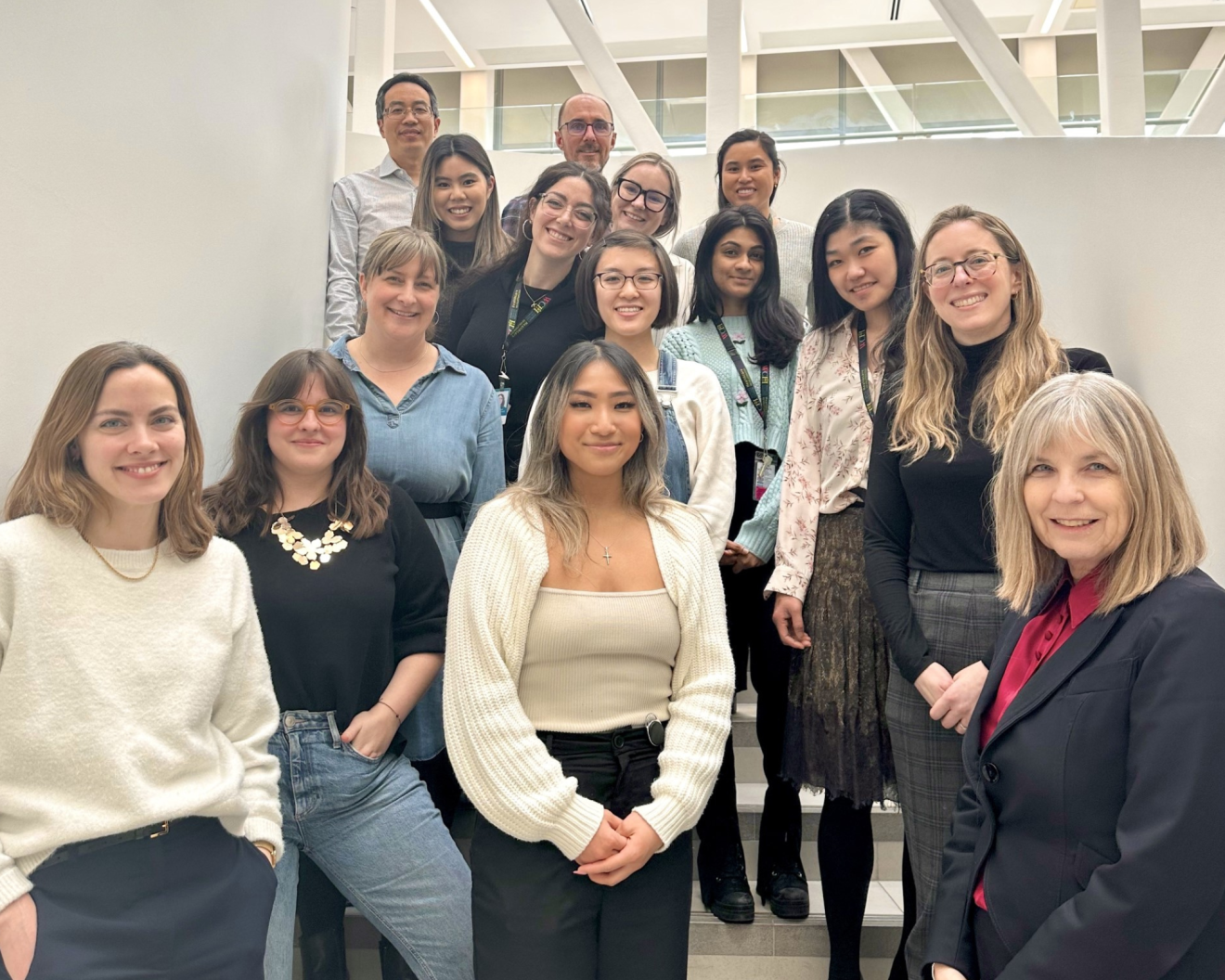
Since its foundation in 2021, Women’s Age Lab has been instrumental in addressing unique challenges faced by older women, transforming care, and driving health system and social change.
By: Marielle Boutin
October 1, 2024, marked the third anniversary of Women’s Age Lab, aptly coinciding with the International Day of Older Persons. Looking back on the last three years since its inception, Women’s Age Lab Founding Director and IHPME faculty, Dr. Paula Rochon recalls how it was born from critical conversations with healthcare professionals, researchers, and most importantly, older women. Its four original pillars remain the same; Addressing Gendered Ageism, Reimagining Aging in Place, Optimizing Therapies, and Promoting Social Connectedness, with each Women’s Age Lab scientist having their unique program of research under each pillar.
What has changed, however, is the way in which these pillars are presented.
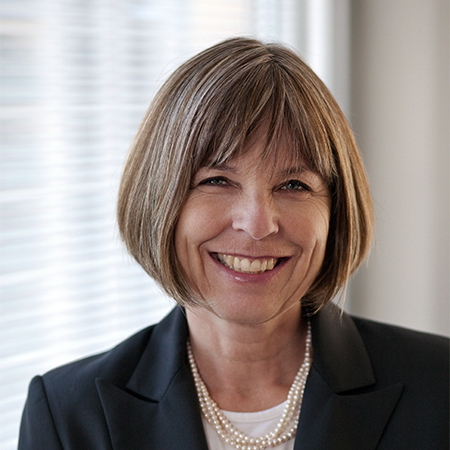
“Through continued conversations, we realized that though it is discrete, gendered ageism is a thread that runs through all of our research and shapes the experiences of older women—and we see our original pillars of focus as the research that underpins our mission.”
– Dr. Paula Rochon
The scientists and the team behind the lab have been instrumental in conducting critical research to improve care for older women. The lab is also committed to training the future generation of scientists and clinicians,
One of their key research initiatives has been the identification of “prescribing cascades,” a concept developed through Dr. Rochon’s research in which healthcare providers mistake the adverse effects of a medication for symptoms of a new medical condition and prescribe different drugs to treat it.
According to Dr. Rochon, “prescribing cascades” is an integral part of polypharmacy, or the simultaneous use of multiple medications by a single person, which affects women more as they tend to have more chronic conditions than men.
Over 160 cascades have been identified worldwide, enabling healthcare providers to deprescribe when necessary, thus improving the lives of older women.
Currently, Women’s Age Lab’s scientists Dr. Rachel Savage, Dr. Paula Rochon, and their team, are working with partners including the NORC Innovation Centre at University Health Network, to lead a six-year research study funded by the Canadian Institutes of Health Research and the Public Health Agency of Canada to improve services across ten Naturally Occurring Retirement Communities (NORCs) sites in Ontario.
“Many people who live in apartments or condominiums don’t really know their neighbours but would like to,” says Dr. Rochon. “The majority of older women, like most older adults, live at home in their communities and want to remain there. We see this first-hand when we visit some of these NORC buildings and talk to residents.”
Working closely with residents of these NORCs, the research study will evaluate implementation of services like social clubs, caregiving support, and physical activity programs to enable older adults to stay socially connected, remain in their homes longer, and maintain independence.
While these pursuits aim to support all older adults, addressing gendered ageism through equity-focused research is at the forefront of the lab’s work. Underrepresentation in pharmacological and healthcare research has historically led to women, particularly older women, being treated ineffectively, leaving them to deal with the adverse effects of a one-size-fits-all healthcare model. Women’s Age Lab urges researchers to think about this gap by working with Ontario’s Strategy for Patient-Oriented Research Support Unit, under research co-led by Dr. Robin Mason, to better incorporate sex, gender, and other intersecting factors to achieve equitable healthcare outcomes.
“Looking at sex, gender and age in silos is not enough – it is important to consider intersectionality when collecting epidemiologic data. If we don’t purposely think about it, we will miss it,” says Dr. Rochon. “We are encouraging researchers across the health sector, across the province, across the country, and internationally to include sex, gender, age and other key identity factors in research to improve the applicability to ALL.”
When asked about what drives her passion, Dr. Rochon reflects on her own personal experiences witnessing her grandparents’ health.
“My grandfather lived to 103, and my grandmother lived well into her 90s. But not all older adults live such active and long lives.”
Dr. Rochon quickly became aware of the disparities in geriatric care and research, particularly concerning aging women, inspiring her to work towards a future in which older women are no longer invisible in the healthcare landscape.
“Sometimes we forget the obvious, we are all aging,” says Dr. Rochon. “Women’s Age Lab, being the first and only centre of its kind, plays a key role in shaping the future of aging for women by bringing women to the forefront.”





Sign up for IHPME Connect.
Keep up to date with IHPME’s News & Research, Events & Program, Recognition, e-newsletter.
Subscribe to Connect Newsletter
Get in Contact
Communications
Marielle Boutin
Email Address: ihpme.communications@utoronto.ca